Technical Assessment of Paulownia Biomass for Commercial Livestock Fodder and Nutritional Digestibility
Biochemical Composition and Fodder Metrics
Paulownia biomass, specifically the volumetric annual leaf yield, constitutes a high-value nutritional resource for commercial livestock operations. The biochemical profile of Paulownia foliage exhibits critical advantages over traditional forage crops. Laboratory analyses indicate that desiccated Paulownia leaves possess a crude protein (CP) concentration ranging from 14% to 23%, contingent upon the specific hybrid and harvest cycle. This CP metric consistently meets or exceeds the baseline nutritional thresholds of standard alfalfa hay. Furthermore, the structural carbohydrate profile demonstrates highly favorable neutral detergent fiber (NDF) levels of 29% to 55% and acid detergent fiber (ADF) levels of 18% to 42%. The biological material is exceptionally dense in essential macronutrients, presenting elevated concentrations of calcium, phosphorus, and zinc, alongside a superior amino acid sequence, specifically rich in methionine, tyrosine, and histidine.
Digestibility Coefficients and Ruminant Integration
The operational viability of Paulownia as livestock fodder relies entirely on its high in vivo and in vitro digestibility. For ruminant species, the estimated digestible dry matter (DDM) of Paulownia-based pelletized feed reaches approximately 65.2%. When integrated into ruminant diets, the foliage sustains highly stable ruminal fermentation variables. Empirical data evaluating mixed silages containing Paulownia leaves and standard forage corn indicate optimal organic matter (OM) digestibility and stabilized short-chain volatile fatty acid concentrations. The proportionately low lignin content relative to the high-protein cellular matrix facilitates rapid microbial protein synthesis within the rumen, maximizing the net metabolic energy extracted per kilogram of dry matter consumed.
Biomass Processing and Commercial Pelletization
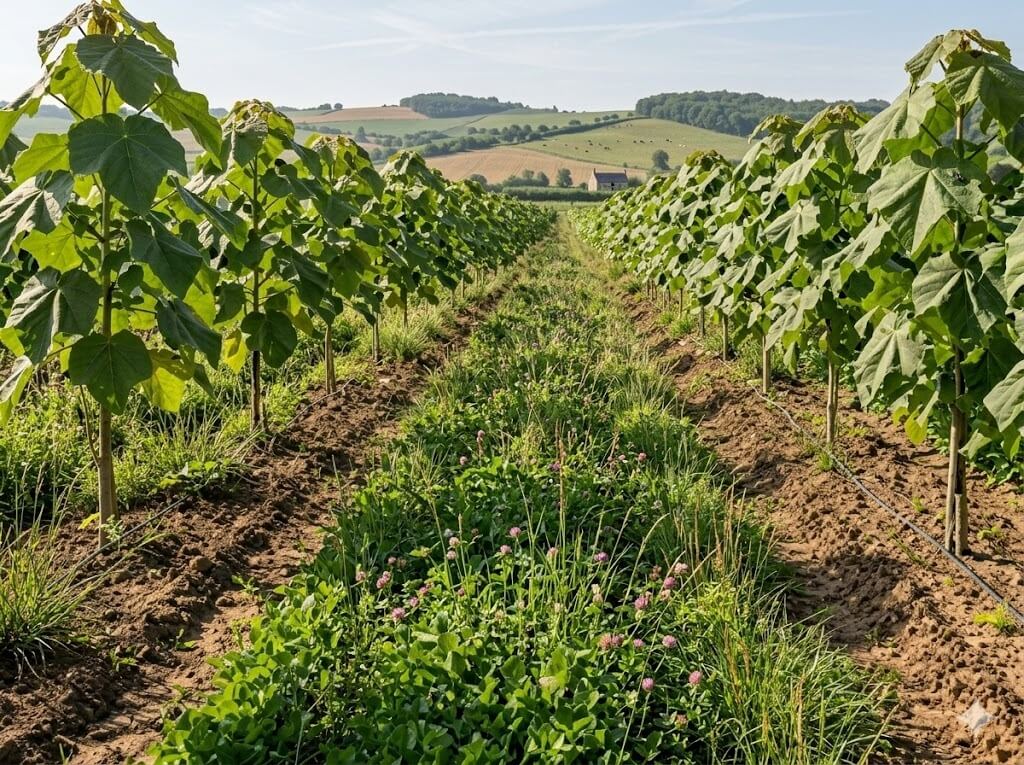
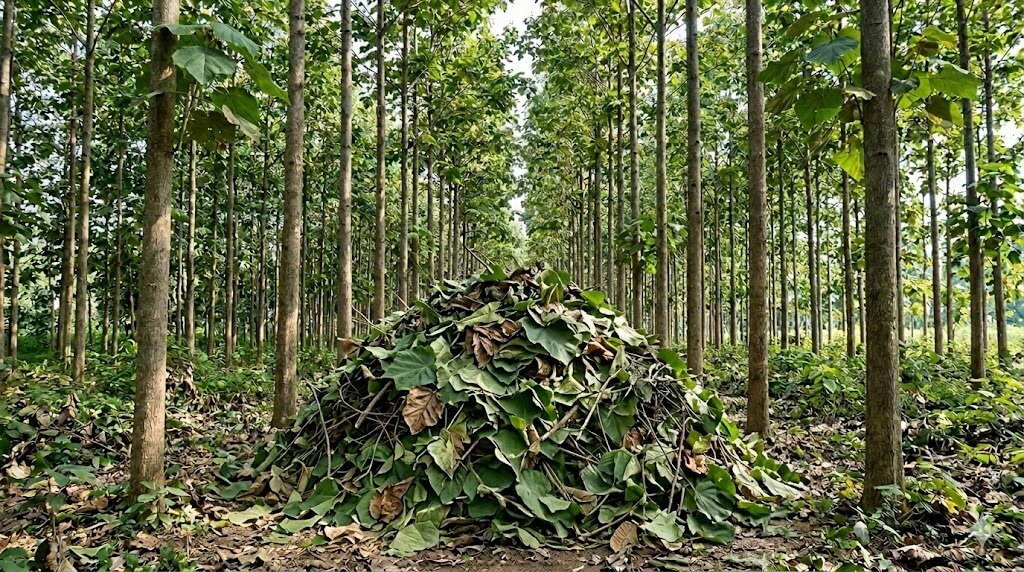
Transitioning Paulownia foliage from raw agricultural biomass to stable commercial feed requires precise industrial processing protocols. A high-density commercial plantation generates over 1,200 kg of dry matter per hectare annually derived strictly from leaf shedding. To optimize long-term storage and regulate standardized feed rations, raw leaves undergo forced or ambient desiccation to reduce the baseline 80% moisture content. The stabilized biomass is subsequently processed through industrial milling and extrusion systems to manufacture high-density feed pellets, typically formulated utilizing a 75% to 95% Paulownia leaf meal (PLM) ratio. Alternatively, fresh foliage is mechanically chopped and ensiled with traditional carbohydrate-rich crops, effectively reducing the pH and synthesizing a stable, high-protein silage critical for mitigating seasonal agricultural protein deficits.
Physiological Impact and Feed Conversion Ratios
In commercial livestock production, the systematic integration of Paulownia leaf extracts and pelletized fodder demonstrates quantifiable physiological benefits. Controlled feeding trials confirm that substituting up to 15% of standard basal diets with PLM maintains optimal feed conversion ratios (FCR) and stable live body weight gain in both monogastric animals and complex ruminants. Additionally, the biomass exhibits documented intrinsic antimicrobial properties. Dietary inclusion statistically correlates with significant reductions in pathogenic intestinal microbiota, specifically suppressing Enterobacteriaceae and coliform colonies within the cecum. In commercial poultry and rabbit models, PLM supplementation systematically elevates high-density lipoprotein (HDL) concentrations in the bloodstream while simultaneously improving the total protein levels and sensory attributes of harvested muscle tissue. This dual functionality—operating simultaneously as a primary nutritional input and a prophylactic biological regulator—solidifies Paulownia as a superior, multi-purpose feed component within sustainable agro-industrial supply chains.